// stage.operator
About Neeraj
Engineer. Sales leader. GTM architect.
Open to roles and projects
I started as a software engineer. Ended up scaling a startup from 10 to 200 people. Now I build the systems that make GTM actually work.
// stage.trajectory
How I got here
Over the past decade, I've written code for banks, co-founded an AI startup, closed enterprise deals with brands you've heard of, and scaled revenue from zero to $3M ARR across three countries. Today, I architect GTM systems on Clay, n8n, and AI agents, and I teach teams the frameworks to build their own.
The Engineering Foundation
I studied Computer Science and started my career writing code for FinTech clients across the Middle East and Africa.
That foundation shaped everything that came after: thinking in systems, debugging at 2am, understanding how things actually work under the hood.
The Startup Chapter
In 2017, I co-founded AiMagnifi, an AI-powered self-checkout platform we called SkippQ.
We raised grants from the Indian government, got into Y Combinator Startup School, and secured term sheets. On Pitch Right Season 2, I pitched Sanjay Mehta (Founder of 100X.VC, early investor in OYO, and India's only angel investor with four unicorns) in a moving elevator at the Bombay Stock Exchange, and learned what it takes to sell something that doesn't exist yet.
Those early pitches shaped how I tell stories, structure value, and read a room. Skills I still use every day.
Scaling to $3M ARR
Then came Staqu, an AI video analytics company. I joined when they were 10 people. When I left, they were 200+.
I was the second person on the business team. Built the entire enterprise and private sector revenue from scratch. We scaled from India to the UK to the UAE. Closed deals ranging from $30K to $500K with brands like Starbucks, WeWork, Raymond, JK Cement, Embassy Group, Chaayos, and Metro Brands. Hosted webinars with Microsoft and Intel, ran fireside chats with enterprise CTOs, and helped raise an 11 crore (~$1.3M) pre-Series A round.
That is where I learned how to sell, how to build teams, and how to create processes that don't break at scale.
The GTM Engineering Pivot
Somewhere along the way, I discovered Clay. Then n8n. Then the entire world of GTM automation.
I'd spent years writing code and thinking in architecture. Then I'd spent years selling, building teams, and figuring out what makes revenue actually grow. GTM engineering is where those two careers meet: technical depth aimed at commercial problems.
I wasn't configuring tools. I was designing systems the way I'd learned to design software, pointed at problems I understood from years of selling.
I went deep. Got recognized as a Top 1% Clay Creator. Became a Teaching Assistant at Clay's GTM Engineering School. Started building systems for companies as Director of GTM Engineering at FullFunnel, a Clay Elite Partner.
50+ GTM systems later, across SaaS, real estate, HR tech, and nonprofits, I've seen what works and what breaks. I'm still more excited about this work than anything I've done before.
I work from Delhi, on the clock of a US company in Boston. That gap is half the reason I build the way I do: if a system needs me awake to run, it is not finished. Most of what I ship has to hold on its own overnight and still be explainable in the morning.
// stage.journey
Career Timeline

Software Engineer
Newgen Software
FinTech & BFSI clients. Built core banking and payment systems across Middle East and Africa.

Co-Founder
AiMagnifi (SkippQ)
YC Startup School '18. Government grants. IIT Bombay E-Summit AIR-1. Zone Startups pitch.

AVP Business
Staqu Technologies
$0 to $3M ARR. 10 to 200 people. 3 countries. 50+ enterprise clients.

Business Head
Xeno
AI loyalty and customer engagement platform. Leading GTM for enterprise retail.

Director of GTM Engineering
FullFunnel
Building GTM engineering practice. Clay, n8n, AI agents at scale for B2B clients.
// stage.credentials
Certifications & Recognition
// clay.2025.in.review
source: Clay 2025 year in review
Clay Certifications
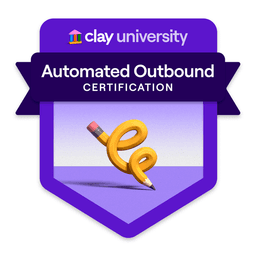
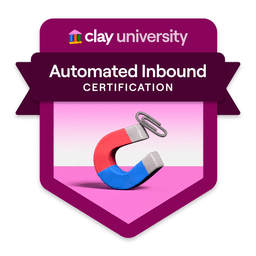
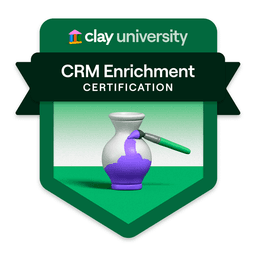
Highlights
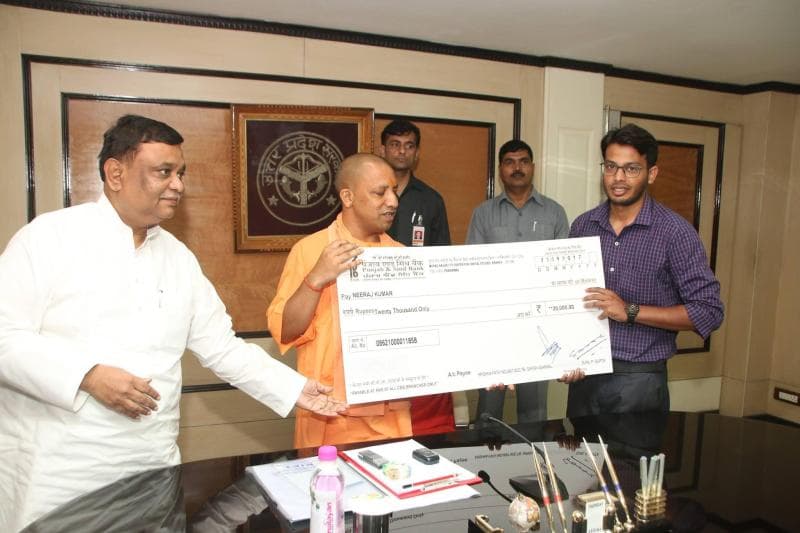
Felicitated by CM Yogi Adityanath
Recognized for AiMagnifi innovation at Startup Days, Uttar Pradesh.
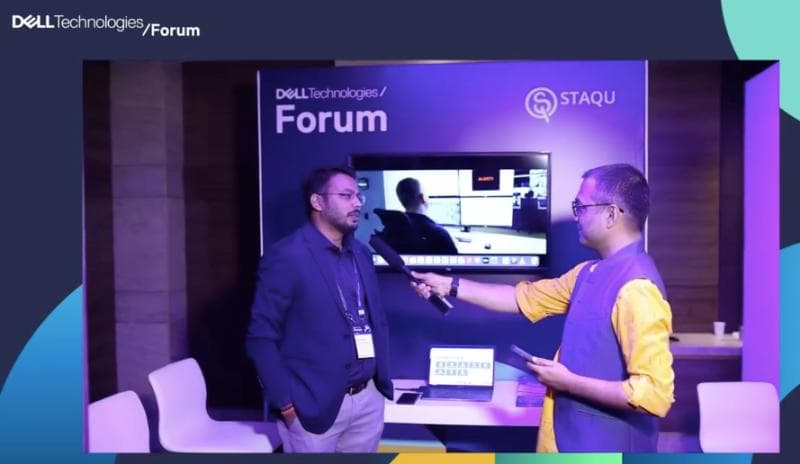
Dell Technologies Forum 2022
Speaking on AI and video analytics at the Dell Technologies startup cafe.
Education
Certifications
Leadership & Community
// stage.principles
How I think about GTM
Systems over hacks.
A hack works once. A system works while you sleep. I build systems.
Own, don't rent.
Everything I build lives in your accounts. No dependencies, no lock-in. When we're done, you own it.
Built from experience, not templates.
I've closed enterprise deals, scaled teams, and shipped code. The systems I build come from doing the work, not reading about it.
GTM is engineering.
Not guesswork. Not vibes. It's architecture, logic, and systems that run predictably. Treat it like engineering and it performs like engineering.
// stage.capabilities
Tools & Stack
GTM layer
What I run revenue systems on: enrichment, orchestration, outreach, and the CRM it all writes back to.


 Instantly




 Salesforce
 OpenAI
 Gemini



 MCP
MCP
 APIsWebhooks
 Notion
Engineering layer
What I ship the software itself on, grouped by the job each tool does rather than by vendor.
 Next.js
 Vercel
 Supabase
 PostgreSQLpgvector
 Python
 FastAPI
 ClerkBetter AuthGoogle OAuth
 Inngest
 OpenRouterGemini embeddingsLangfuseSentry
 FirecrawlSerperExaBuiltWith
 People Data Labs
 FullEnrichProspeoMillionVerifierBounceBanNano BananaSeedanceKlingChatGPT Image
 Resend
 Zoom
Zoom Otter.aiGranola
 Google Drive
 Google Sheets
LET'S CONNECT
Ready to build your GTM system?
Start with the newsletter. Go deeper when you're ready.